
What sets a North Island spring apart — mild weather, fewer crowds, and a landscape at its most vivid, from vineyard bud break to alpine wildflowers.
New Zealand's spring runs from September through November, and on the North Island it's a season that rarely gets the attention it deserves — sandwiched, in most travellers' planning, between the ski season either side of it and the summer crowds that follow. That gap is precisely what makes it one of the best times to tour the region.
The Weather Case
Spring temperatures across the North Island sit comfortably in the high teens to low twenties Celsius by October and November, with none of the intensity — or the crowds — of peak summer. Rainfall is variable but rarely prolonged, and the clearer air after winter tends to produce some of the best visibility of the year for anything involving a view: Tongariro's peaks, Taupō's far shore, or the Hawke's Bay coastline from Te Mata Peak.
A Landscape in Motion
Spring is when the North Island's landscape is doing the most visible work. Hawke's Bay's vineyards move through bud break and early leaf growth, turning rows of bare vines a vivid green within weeks — a genuinely different experience from touring the same vineyards in the stillness of late summer. Farmland across the Waikato and Taupō region fills with new lambs, and native forest understorey, dormant through winter, comes back into full growth. On the volcanic plateau, alpine wildflowers begin appearing on the lower slopes as snow retreats, though the Tongariro Alpine Crossing itself can still carry snow well into spring at higher elevations, which is worth factoring into any early-season booking.
Fewer Crowds, More Access
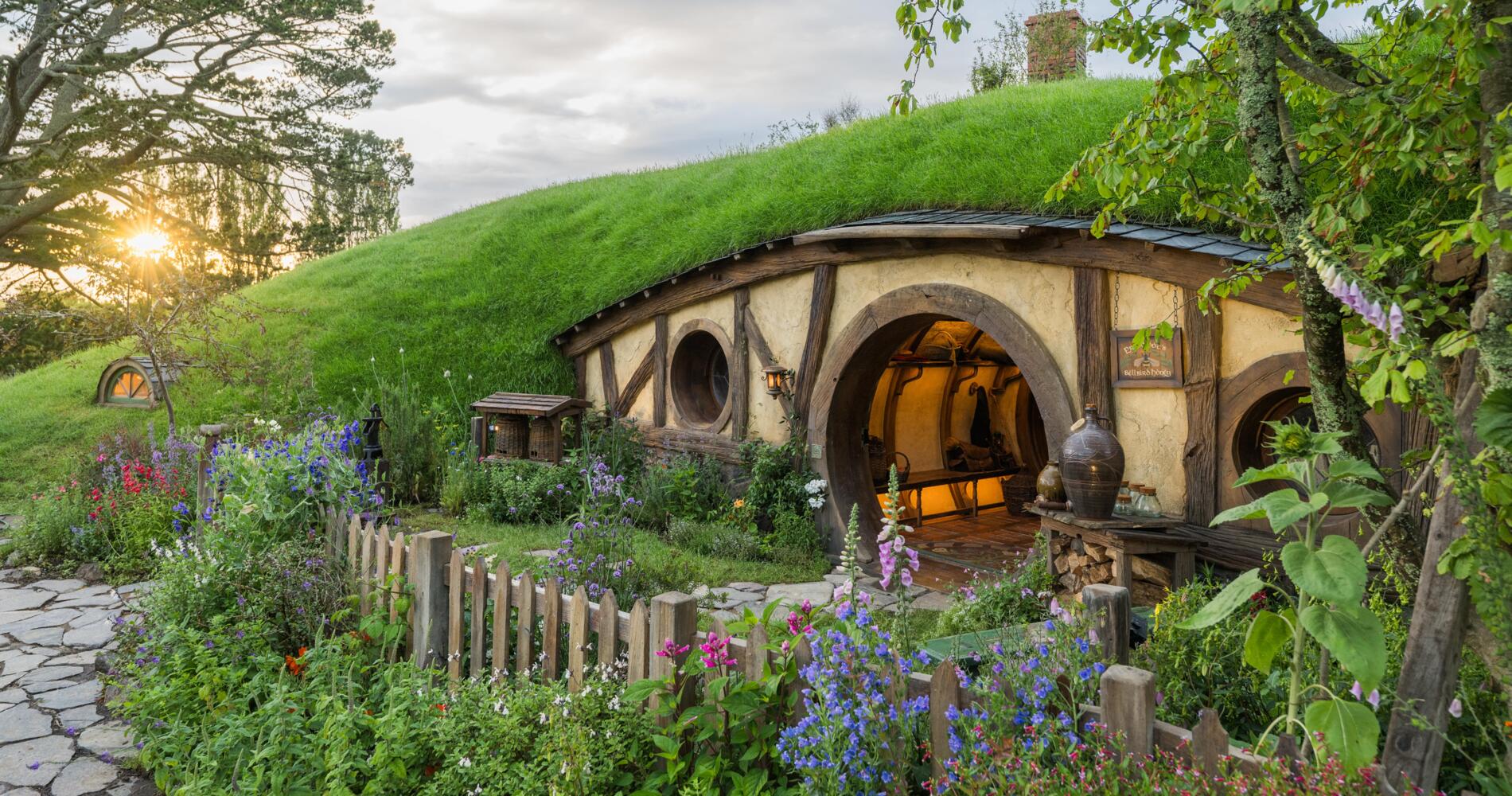
The practical advantage of spring touring is availability. Hobbiton, Waitomo, and Rotorua's major attractions all run at a noticeably gentler pace before the summer coach season builds, meaning shorter waits, easier scheduling, and — for anyone booking accommodation — considerably more choice at the region's best lodges than during the December to February peak. Restaurants that require booking weeks ahead in summer are often available with a few days' notice in spring.
Building a Spring Itinerary
Because spring weather is more variable than summer's, flexibility matters more than usual — a day planned around an alpine walk may need to shift to a geothermal park or vineyard day if conditions turn on the mountain. This is where private touring earns its value most clearly: itineraries can be adjusted the morning of, rather than requiring a rebooking process, and a guide who checks conditions daily makes the difference between a day lost to weather and a day simply redirected somewhere just as worthwhile.
Every Elite New Zealand experience is arranged exclusively for your group. No shared vehicles, no group schedules — just your journey, your way.
Begin Your Enquiry